2026-11-11 ·
Re-Roofing After the Eaton Fire: What Altadena and Pasadena Homeowners Should Know
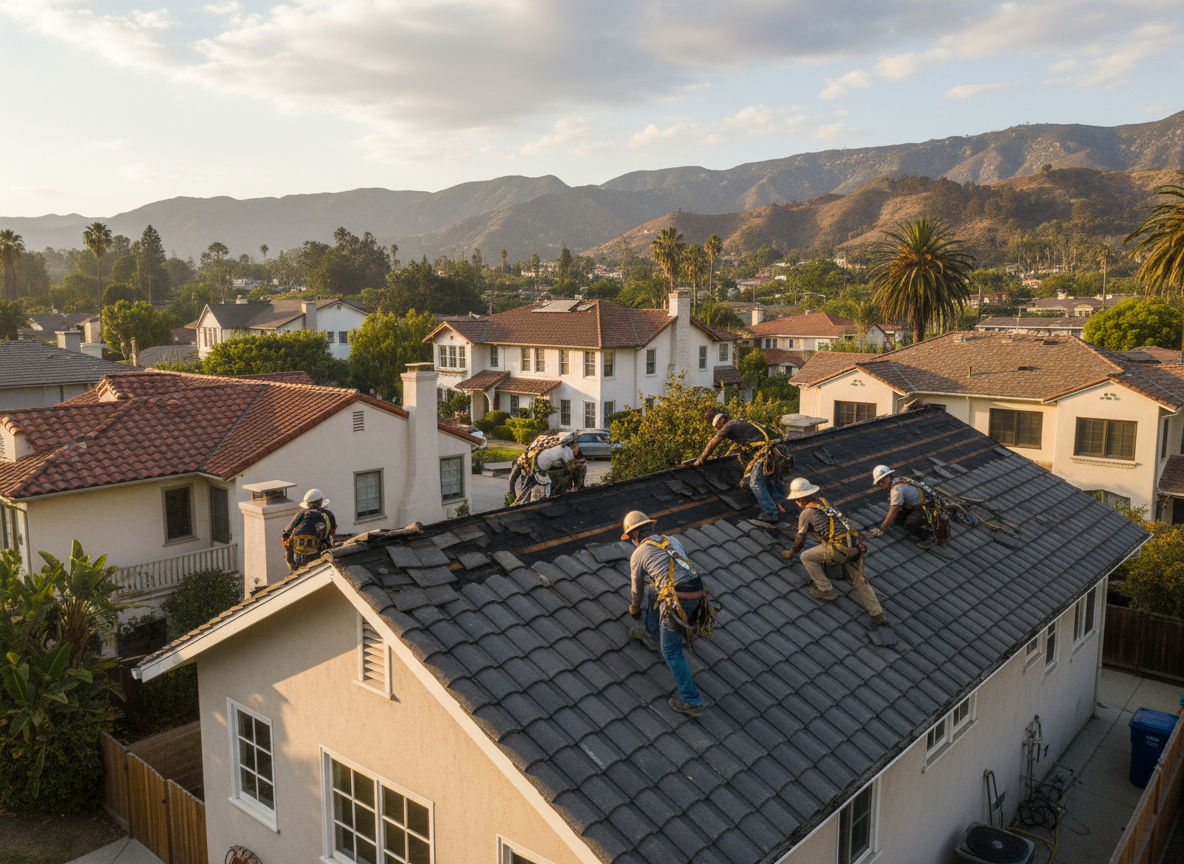
Homeowners in Altadena and Pasadena facing re-roofing after the Eaton fire should begin with a thorough inspection of charring, underlayment damage, and framing integrity before deciding between targeted fixes and full replacement, particularly in areas like Bungalow Heaven and the Playhouse District where older homes meet ongoing wildfire risks.
Evaluating Roof Damage Post-Fire
After the Eaton fire, many roofs in Altadena show hidden issues beneath visible soot, including compromised sheathing from intense heat and ember intrusion. Homeowners can check for sagging sections, melted flashing around vents, and water stains from subsequent winter storms that often follow these events. In neighborhoods such as Linda Vista and near the Rose Bowl, older tile systems may have shifted during high winds, allowing further debris entry. A systematic walk-through of the attic reveals insulation melt or charred rafters that signal the need for more than surface-level work. Documenting these findings with photos helps track progression before any rebuild starts. Connecting with specialists familiar with San Gabriel Valley conditions ensures assessments account for both fire residue and the area's mild Mediterranean climate patterns.
Material and Design Considerations for Fire-Affected Homes
Selecting materials for re-roofing after the Eaton fire means prioritizing options that handle UV degradation and Santa Ana wind loads common in Pasadena and Altadena. Homeowners often weigh Class A fire-rated composites against traditional clay tiles that have performed well in local rebuilds around Colorado Boulevard and Pasadena City Hall. Underlayment upgrades with enhanced ember resistance add protection without altering the visual character of historic districts like Old Pasadena or South Lake District. Ventilation adjustments prevent heat buildup that accelerates wear in dry summers. Roof replacement projects in these zones frequently incorporate ridge vents and sealed eaves to manage both fire and seasonal storm runoff. These choices support long-term durability when paired with proper installation techniques suited to the terrain.
Local Factors in Altadena and Pasadena Rebuilds
Rebuilding roofs in Altadena and Pasadena involves accounting for the specific microclimates around Caltech and the Huntington Library, where UV intensity combines with occasional winter moisture to stress new installations. Properties near Eaton fire perimeters may encounter updated setback rules or material restrictions tied to recent rebuild guidelines. Homeowners benefit from reviewing how Santa Ana wind patterns affect roof edge detailing and underlayment overlap in these communities. Repair or Replace Your Roof in the San Gabriel Valley outlines decision points that align with local conditions without assuming uniform approaches across every block. Checking drainage around chimneys and skylights prevents secondary issues once the structure is exposed during work.
Steps for a Successful Re-Roofing Project
Begin by clearing debris and confirming attic ventilation remains functional after fire exposure. Next, prioritize underlayment and flashing replacements in zones hit hardest by embers. Homeowners in Altadena should verify that new layers match the slope and existing tile profiles common in Bungalow Heaven to maintain neighborhood consistency. Scheduling inspections at key stages catches issues before they compound during the dry season. Altadena resources highlight coordination with nearby utilities when access is limited. Finally, monitor for early signs of movement around vents once the roof is complete, especially ahead of the next winter storm cycle that often tests fresh work in the San Gabriel Valley.